
Here are ways to Fix Bad Credit
Practical Steps to Repair Your Credit and Improve Your Quality of Life
📉What Does “Bad Credit” Mean?
Bad credit typically refers to a credit score that has been negatively impacted by missed payments, high debt balances, collections, charge-offs, or other derogatory marks on your credit report.
A low credit score doesn’t just affect borrowing — it can impact:
- Housing options
- Interest rates
- Employment opportunities
- Insurance costs
- Overall financial stress and quality of life
The good news? Bad credit is not permanent, and with the right approach, it can be improved. Reducing Debt is a good first step. Please review our page for in debt suggestions.
Common Causes of Bad Credit
Understanding what caused the damage is the first step to fixing it.
🧾The most common reasons include:
- Late or missed payments
- High credit card balances
- Accounts in collections
- Charge-offs or repossessions
- Bankruptcy or foreclosure
- Errors on credit reports
Each of these affects your score differently — and some can be corrected faster than others.
🔍Step 1: Know Where You Stand
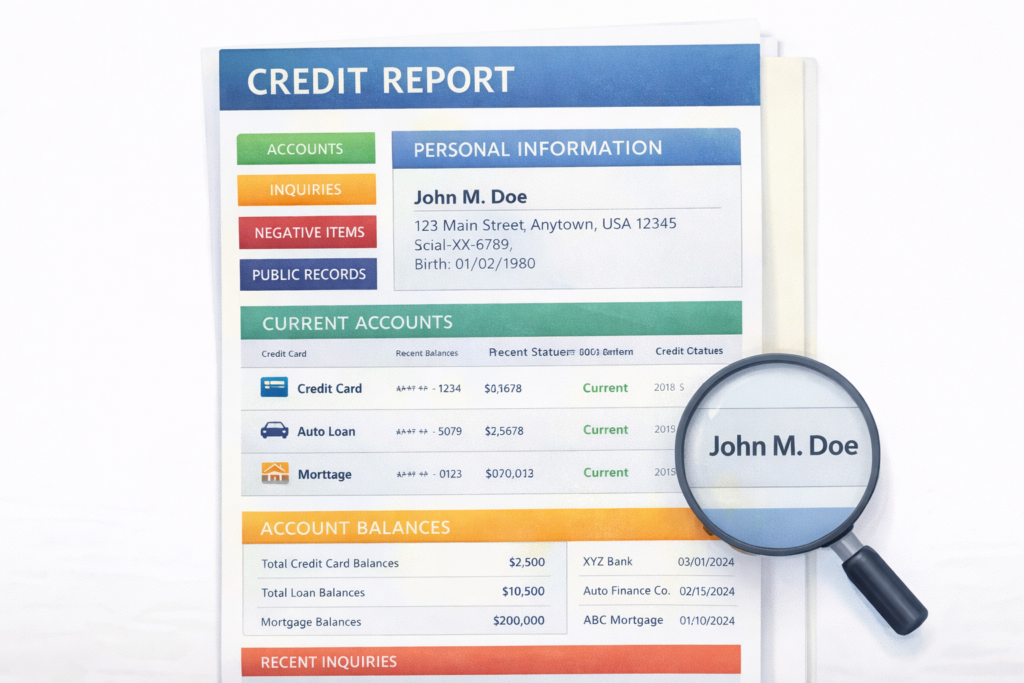
Before you can fix bad credit, you need a clear picture of your current situation. You need to know Credit Basics.
Your credit history is maintained by the three major credit bureaus — Experian, Equifax, and TransUnion — each of which collects and reports credit information used by lenders to evaluate risk and make approval decisions.
Start by:
- Reviewing your credit reports from all three bureaus
- Identifying negative accounts and errors
- Checking payment history and balances
Many people are surprised to find mistakes on their credit reports — fixing these alone can result in meaningful improvements.
🛠️Step 2: Fix Errors and Inaccuracies
Credit report errors are more common than most people realize.
Examples of errors include:
- Accounts that don’t belong to you
- Incorrect balances or payment statuses
- Duplicate listings
- Outdated negative information
Disputing legitimate errors can:
- Improve your score
- Remove unfair negative marks
- Restore confidence in your credit profile
This step alone can significantly improve your credit health.
⏰Step 3: Address Late Payments and Collections
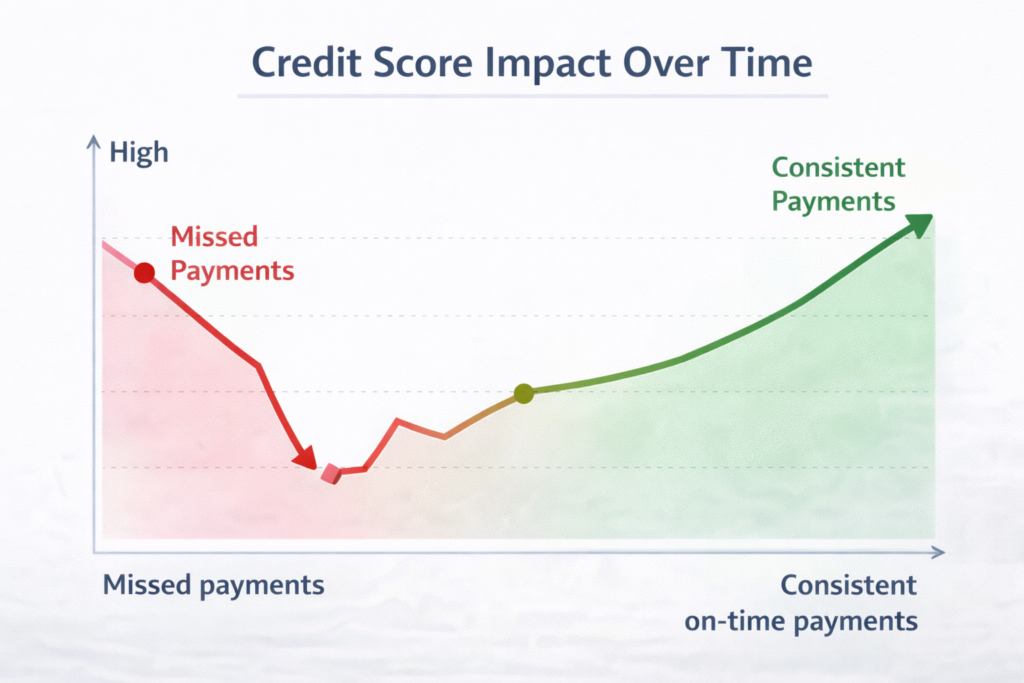
Payment history is the most important factor in your credit score.
If you have:
- Past-due accounts
- Collections
- Charge-offs
You may be able to:
- Bring accounts current
- Negotiate settlements
- Request goodwill adjustments
- Establish payment plans
Taking action — even small steps — shows positive momentum over time.
💳Step 4: Lower Credit Card Balances
High balances relative to your credit limits can hurt your score even if you pay on time.
To improve this:
- Reduce balances strategically
- Avoid maxing out cards
- Keep utilization as low as possible
Lower utilization improves both your score and your financial breathing room.
📈Step 5: Build Positive Credit History Going Forward
Fixing bad credit isn’t just about removing negatives — it’s about adding positives.
Ways to rebuild include:
- Making every payment on time
- Using credit responsibly
- Avoiding unnecessary new debt
- Keeping older accounts open when possible
Consistency over time is what creates lasting improvement.
🌱How Fixing Bad Credit Improves Your Quality of Life
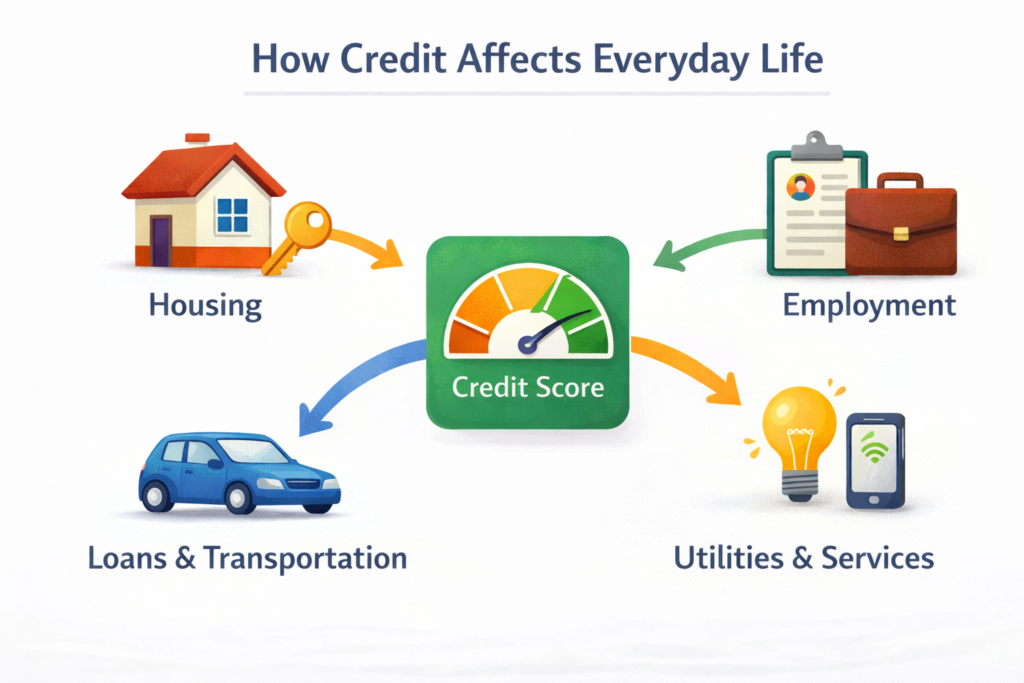
Improving your credit isn’t just about numbers — it’s about freedom and opportunity.
Better credit can mean:
- Lower interest rates
- More housing choices
- Easier utility approvals
- Reduced financial stress
- Greater purchasing power
As your credit improves, everyday life becomes more affordable and predictable.
Avoid Common Credit Repair Mistakes
Be cautious of:
- “Instant credit fix” promises
- Disputing accurate negative information
- Closing old accounts unnecessarily
- Taking on new debt too quickly
Sustainable credit repair is about patience, strategy, and consistency.
Take the First Step Toward Better Credit
Fixing bad credit is achievable — one step at a time.
Build Credit to achieve your financial goals and improve your quality of life.
Whether you’re just starting or already working on improvements, understanding how credit works and making informed decisions can help you rebuild and move forward with confidence.