
A Practical Guide to Lowering Debt and Improving Your Financial Quality of Life
🧠 Why Reducing Debt Matters
Debt doesn’t just affect your finances — it affects your stress levels, credit score, and everyday quality of life.
High debt can:
- Lower your credit score
- Increase interest costs
- Reduce purchasing power
- Limit housing and loan options
- Create ongoing financial pressure
Reducing debt is one of the fastest and most reliable ways to improve both your credit profile and your financial stability.
🧾 How Debt Affects Your Credit Score
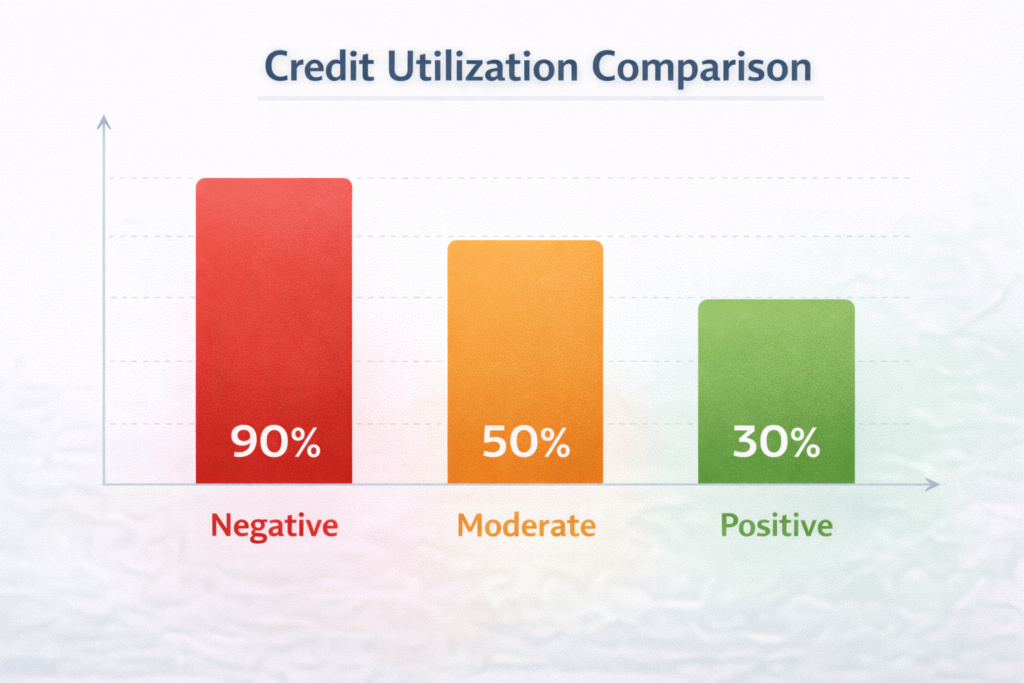
Your credit score is heavily influenced by how much debt you carry compared to your available credit — known as credit utilization.
According to FICO credit score factors, amounts owed make up a significant portion of your score and can impact it even if you pay on time.
Outbound link (anchor text):
👉 FICO credit score factors
🔍 Types of Debt to Prioritize
Not all debt is equal. Knowing what to focus on first makes progress faster.
High-Impact Debt:
- Credit cards
- Collections
- Charge-offs
- Personal loans with high interest
Lower-Impact Debt:
- Student loans
- Auto loans
- Mortgages
Focusing on high-interest revolving debt often delivers the biggest improvement in both your credit score and cash flow.
🛠️ Proven Debt Reduction Strategies
🔹 The Snowball Method
- Pay smallest balances first
- Builds momentum and motivation
🔹 The Avalanche Method
- Pay highest interest rates first
- Saves more money long-term
Both methods work — the best choice is the one you can stick with.
💳 Lowering Credit Card Balances Strategically
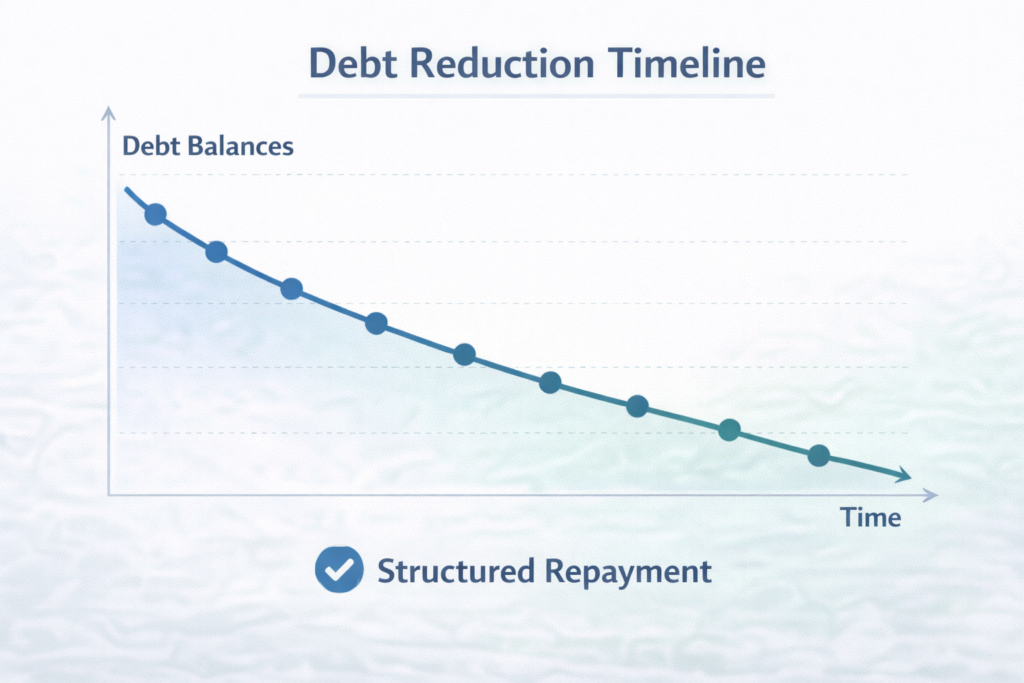
Lower balances can improve your credit score even before accounts are fully paid off.
Tips:
- Keep balances under 30% of limits
- Avoid maxing out cards
- Pay more than the minimum when possible
- Spread balances across cards if needed
Reducing utilization is one of the fastest ways to see score improvement.
🔗 How Reducing Debt Helps Fix Bad Credit
Debt reduction and credit repair go hand-in-hand.
Lower balances:
- Improve utilization
- Reduce financial strain
- Make on-time payments easier
This directly supports efforts to fix bad credit and rebuild your profile.
Internal link (anchor text):
👉 fix bad credit
📚 Know Your Rights When Dealing With Debt
If you’re dealing with collectors, it’s important to understand your rights.
The Consumer Financial Protection Bureau provides clear guidance on:
- Debt collection practices
- Consumer protections
- Dispute rights
Outbound link (anchor text):
👉 Consumer Financial Protection Bureau
https://www.consumerfinance.gov/consumer-tools/debt-collection/
🌱 How Reducing Debt Improves Quality of Life
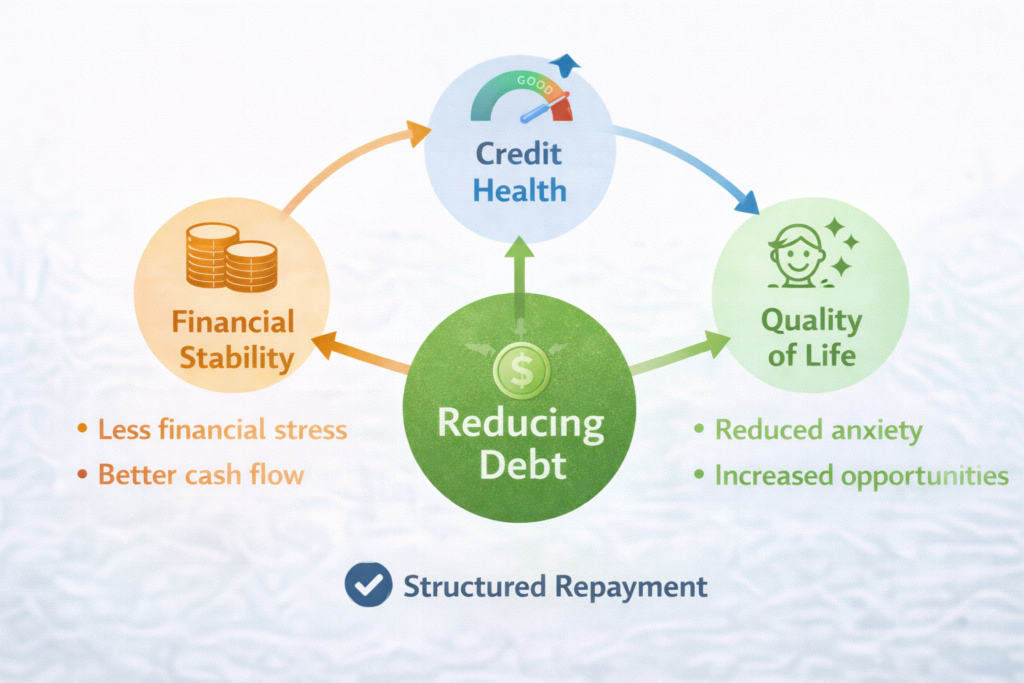
As debt decreases, people often experience:
- Lower monthly expenses
- Better approval odds
- Improved housing options
- Reduced stress and anxiety
- Greater financial confidence
Debt reduction isn’t just financial — it’s personal.
🚫 Common Debt Reduction Mistakes to Avoid
🚫
Avoid:
- Closing credit cards too early
- Taking on new debt while paying down balances
- Ignoring interest rates
- Falling for “quick fix” promises
The Federal Trade Commission warns consumers about misleading debt relief and credit repair claims.
🧭 What Comes Next After Reducing Debt
📈
Once debt is under control, the next step is strengthening your credit foundation.
That includes:
- Understanding credit basics
- Establishing positive payment history
- Using credit cards responsibly
- 👉 Credit Basics
- 👉 build credit responsibly
✅ Final Thoughts
Reducing debt is one of the most powerful actions you can take to improve your financial future.
With the right strategy, patience, and consistency, debt can be managed — and life becomes easier as a result.